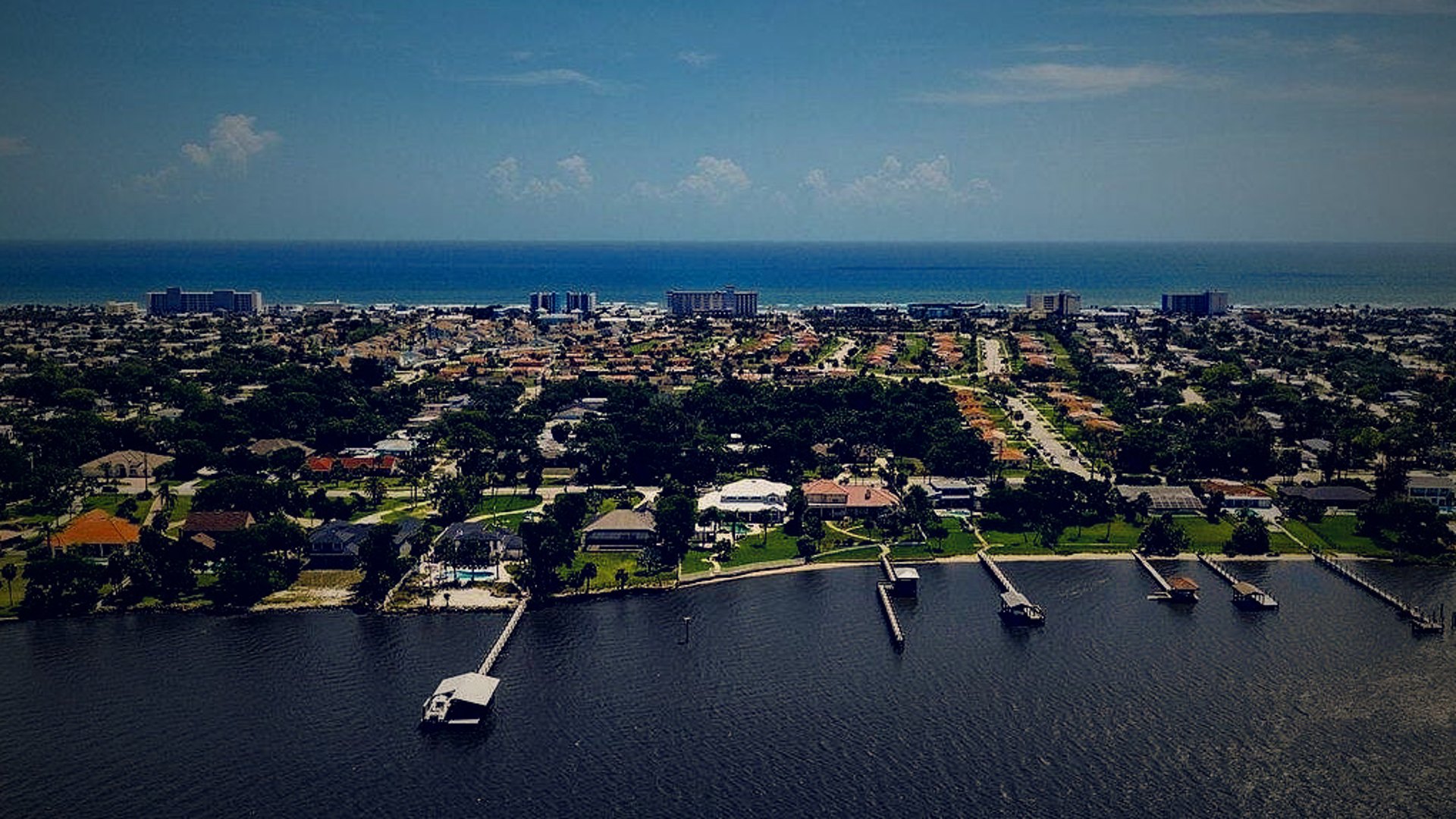
A Market in Transition: Reading the Signals Correctly
The Daytona Beach real estate market in August 2026 is telling two different stories depending on which side of the transaction you are on — and understanding which story applies to you could mean the difference between a successful closing and an expensive mistake. Whether you are buying a beachside condo in Daytona Beach Shores, listing a single-family home in Port Orange, investing in a rental property near DeLand, or relocating to Ormond Beach or New Smyrna Beach, the current data points to a market that rewards preparation, precision, and professional guidance.
As your Volusia County REALTOR® and Florida-licensed attorney, I want to give you a clear-eyed view of what the numbers actually mean — and what they require of you.
Where Prices Stand Right Now
Pricing data in this market varies meaningfully depending on the source and methodology, and that distinction matters. Automated valuation models, list price aggregators, and closed MLS sales reports can produce very different numbers. For the most authoritative picture, the Daytona Beach Area Association of REALTORS® (DBAAR) MLS closed-sale data remains the gold standard.
With that caveat clearly on the table, here is what the current data shows:
- The average home value in Daytona Beach sits at approximately $259,418, reflecting a notable 8.2% decline over the past year, per Zillow's June 2026 automated valuation index.
- Median sale prices from MLS-reported closed transactions trended near $322,000 in early 2025, with median price per square foot at approximately $210 — up roughly 5% year-over-year.
- Average list prices have climbed sharply, reaching $430,002 in March 2026 compared to $381,042 in March 2025 — an increase of nearly 12% in asking prices. However, sellers should not confuse list price optimism with sale price reality.
- Condo and co-op list prices have moved in the opposite direction, declining from $390,312 to $372,671 over the same period — a trend worth monitoring closely given Florida's evolving condominium safety legislation following the Champlain Towers collapse and the sweeping changes enacted under Florida Statute § 718.112 and subsequent legislative sessions.
Inventory Has Shifted the Balance of Power
The most consequential shift in the Daytona Beach market is not in prices — it is in supply. Resale inventory has increased by more than 45% since 2025, with approximately 661 to 841 active listings in the market at various points this year. Total months of housing supply has reached 8.2 months — well above the 5-to-6-month threshold that defines a balanced market. Redfin's current Compete Score for Daytona Beach is 28 out of 100, formally classifying this as a buyer's market.
Homes are averaging 100 days on market, up from 87 days a year ago, and the typical property is selling for approximately 5% below its list price. These are not abstract statistics. For a seller listing at $400,000, a 5% discount means walking away with $20,000 less than expected — a number that demands serious attention to pricing strategy from day one.
What Sellers Must Do Right Now
If you are selling in Daytona Beach, Port Orange, Palm Coast, or anywhere in Volusia County, this market is not forgiving of overpricing. With 8-plus months of competing inventory and buyers who have options, your list price must be grounded in closed comparable sales — not neighborhood wishful thinking.
Florida law also imposes significant disclosure obligations on sellers that, if overlooked, can expose you to post-closing liability. Under Florida Statute § 689.261, sellers must disclose all known material defects that are not readily observable. The Johnson v. Davis doctrine, long embedded in Florida case law, extends this obligation broadly. Flood zone status, insurance cost disclosures under Florida Statute § 689.301, HOA or condo association assessments, and pending litigation must all be addressed accurately and in writing before closing.
Working with a REALTOR® who is also a Florida-licensed attorney is not a luxury in this environment — it is a structural advantage that protects you from the legal exposure that uninformed sellers routinely face.
Want answers for your exact situation? Get 30 minutes with an Attorney & REALTOR®. It's free.
Book a Free Strategy Call or call/text 386-273-3636What Buyers Should Understand Before Making an Offer
For buyers — particularly those relocating to Ormond Beach, New Smyrna Beach, or DeLand — this market offers negotiating room that simply did not exist two years ago. Longer days on market, motivated sellers, and elevated inventory mean you have time to conduct proper due diligence. Use it.
Florida's standard residential contract (the FR/Bar AS-IS or standard form) gives buyers specific inspection and financing contingency windows that are legally enforceable. Under Florida Statute § 475.278, your real estate licensee has defined duties of loyalty, confidentiality, and disclosure that govern how your interests are represented.
Budget carefully for closing costs. Florida documentary stamp taxes on the deed are assessed at $0.70 per $100 of purchase price under Florida Statute § 201.02. Title insurance, lender fees, prepaid insurance, and property tax prorations typically add 2% to 4% of the purchase price in total closing costs. At the current median price range, plan for $8,000 to $15,000 in additional funds beyond your down payment.
New Construction: A Caution Flag
New single-family home permitting in Daytona Beach dropped by 23% during the first half of 2026 compared to the same period in 2024 — a signal that builders are pulling back as resale competition intensifies and buyer demand moderates. If you are considering new construction in Volusia County, review the builder contract carefully before signing. Builder contracts are heavily one-sided instruments that typically favor the developer, and they are not the FR/Bar form you may be accustomed to. Independent legal review before execution is strongly advisable.
The Bottom Line for August 2026
Daytona Beach and Volusia County are in a genuine buyer's market, with inventory elevated, days on market increasing, and sellers regularly accepting below-list offers. That does not mean sellers cannot succeed — it means they must price correctly, disclose properly, and negotiate strategically. Buyers, in turn, have leverage they should use wisely, with full attention to contract terms, inspection rights, and true cost of ownership.
In either role, having an attorney-REALTOR® in your corner — someone who understands both the transaction mechanics and the legal framework governing Florida real estate — changes the quality of the outcome.
Ready to buy, sell, or invest in the Daytona Beach area? Contact Arthur Simpson, Esq., CIPS at Realty Pros Assured for a confidential market consultation. Visit arthursimpson.com or call our office to schedule your appointment. We serve buyers, sellers, and investors throughout Volusia County — including Daytona Beach, Port Orange, Ormond Beach, New Smyrna Beach, Palm Coast, and DeLand.