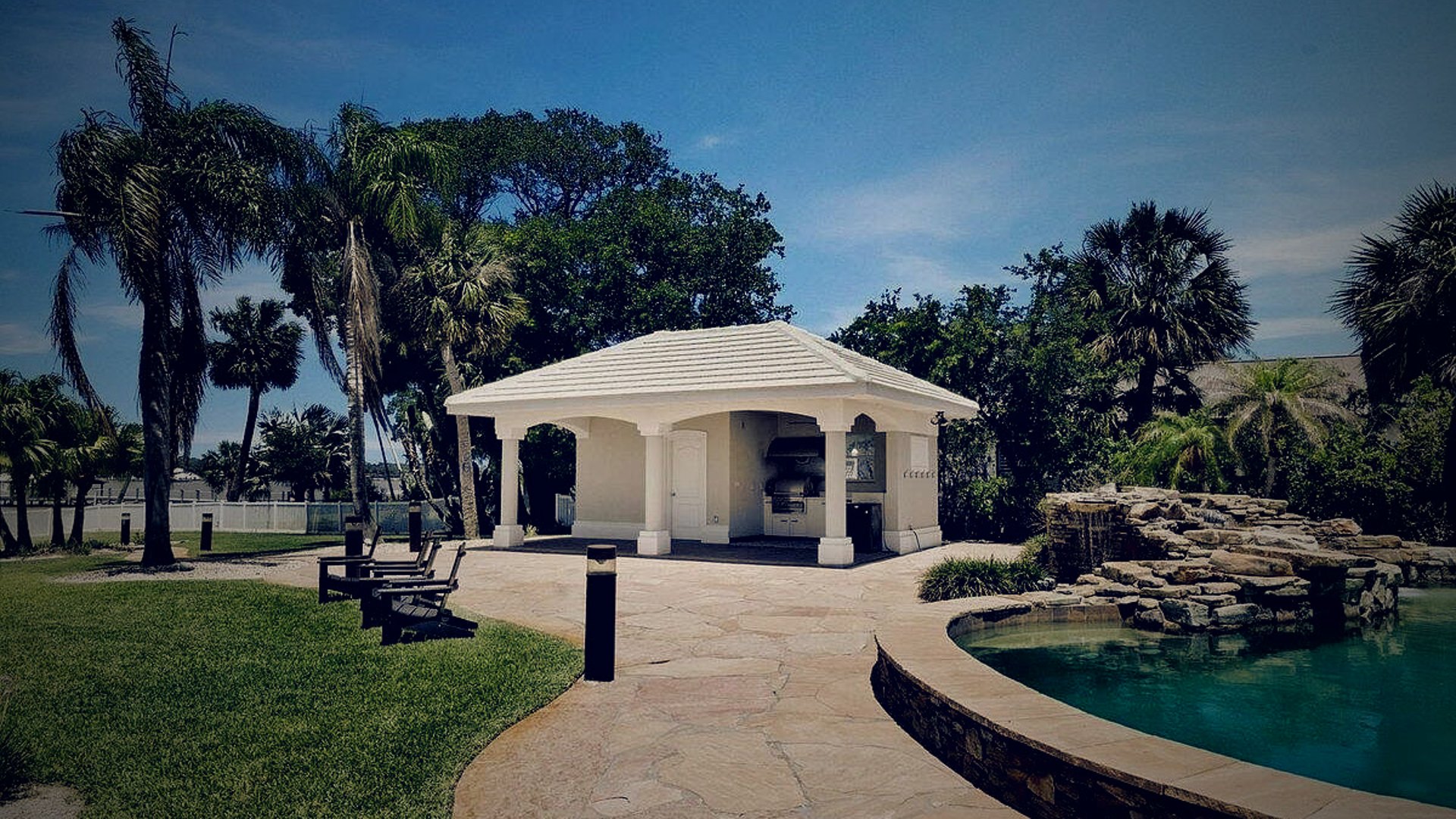
Why Daytona Beach Is Attracting International Buyers in 2026
Global interest in Florida real estate remains strong — and for good reason. According to the National Association of Realtors, foreign buyers purchased $56 billion worth of U.S. existing homes during the April 2024–March 2025 period, a 33.2% surge over the prior year. Florida consistently ranks as the top destination for international purchasers, and Daytona Beach offers something that Miami and Orlando increasingly cannot: genuine value. With a Volusia County median home price hovering near $327,000 as of early 2025 — well below the $494,400 median paid by foreign buyers nationally — communities like Port Orange, Ormond Beach, New Smyrna Beach, DeLand, and Palm Coast represent rare affordability on Florida's coveted East Coast.
If you are a Canadian, British, Colombian, Brazilian, or European buyer considering a purchase here, the opportunity is real. But so are the legal and financial complexities. Understanding FIRPTA withholding, foreign-national financing, and Florida's closing process before you make an offer will save you time, money, and significant stress.
FIRPTA: What Every International Buyer Must Understand Before Closing
The Foreign Investment in Real Property Tax Act — FIRPTA — is a federal withholding law that affects the seller of U.S. real property when that seller is a foreign national. Why does this matter to you as a buyer? Because under 26 U.S.C. § 1445, the buyer is legally responsible for withholding the required amount from the seller's proceeds and remitting it to the IRS. If you fail to do so, the IRS can pursue you for the unpaid tax — even if you are the buyer who received no gain.
Here is how the withholding rates currently work:
- 15% of the gross sales price is the standard withholding rate for most residential transactions above $1,000,000.
- 10% of the gross sales price applies when the property sells for $300,001–$1,000,000 and the buyer intends to use it as a primary residence.
- 0% withholding applies when the sales price is $300,000 or less and the buyer (or a family member) intends to occupy the property as a primary residence for at least 50% of the time it is in use during the first two 12-month periods following the sale.
Importantly, FIRPTA withholding is not a final tax — it is a prepayment against the seller's U.S. income tax liability. A foreign seller can apply to the IRS for a withholding certificate (IRS Form 8288-B) to reduce or eliminate withholding if their actual gain is lower than the withholding amount. That process takes time, however, and experienced legal representation on both sides of the closing table is essential. As a buyer, your responsibility is to ensure your closing attorney or title company handles the IRS Form 8288 filing correctly and on time — generally within 20 days of closing.
Financing as a Foreign National in Florida
Roughly 47% of international buyers paid all cash during the 2024–25 cycle, and that statistic is not coincidental — financing as a non-U.S. citizen is genuinely more difficult than domestic buyers expect. Most conventional lenders require a U.S. Social Security number, two or more years of U.S. credit history, and domestic income documentation that many foreign nationals simply do not have.
That said, financing options do exist. Foreign national mortgage programs — offered by a select group of portfolio lenders and international banks — typically require:
- A valid passport and visa (or evidence of legal residency status)
- A larger down payment, commonly 30%–40% of the purchase price
- Proof of income via foreign bank statements, tax returns, or a letter from a foreign employer
- Reserves of six to twelve months of mortgage payments held in a U.S. or qualifying international account
- An Individual Taxpayer Identification Number (ITIN) in lieu of a Social Security number
Interest rates on foreign national loans tend to run 0.5%–1.5% above comparable conventional rates. For buyers purchasing in Ormond Beach, DeLand, or Palm Coast — where price points remain accessible — the math often still works. The key is engaging a lender with documented experience in cross-border transactions before you begin touring homes.
Want answers for your exact situation? Get 30 minutes with an Attorney & REALTOR®. It's free.
Book a Free Strategy Call or call/text 386-273-3636Florida Contract Mechanics and Closing Costs: What to Budget
Florida's standard residential purchase contract — the FAR/BAR AS IS Residential Contract for Sale and Purchase — is widely used throughout Volusia County. As a buyer, several provisions deserve close attention. The inspection period (typically 10–15 days) gives you the right to cancel for any reason under Paragraph 12. Financing contingencies and their deadlines are strictly enforced. And under Florida Statute § 689.261, sellers are required to disclose all known facts materially affecting the value of the property that are not readily observable — a protection that runs in your favor.
Budget for the following closing costs as a buyer in Volusia County:
- Owner's title insurance: Customarily paid by the seller in Volusia County, but confirm this in your contract
- Lender's title insurance: Required if financing; cost varies by loan amount
- Documentary stamp tax on the note: $0.35 per $100 of the loan amount (FL Stat. § 201.08)
- Intangible tax on the mortgage: $0.002 per $1 of the loan amount (FL Stat. § 199.133)
- Recording fees: Approximately $10 per page for deed and mortgage recording
- Homeowners association estoppel fees, inspection costs, and survey fees: Variable, typically $500–$2,500 combined
Cash buyers avoid the documentary stamp and intangible tax on financing instruments, but will still pay deed recording fees and, if they choose, owner's title insurance — strongly recommended for any international buyer unfamiliar with U.S. chain-of-title issues.
Additional Considerations for Foreign Buyers in Volusia County
Florida does not impose a state income tax, which remains a meaningful advantage for international investors and lifestyle buyers alike. However, foreign owners of U.S. real property must file U.S. tax returns if they rent the property and generate U.S.-source income (Form 1040-NR). If you intend to use your Daytona Beach, New Smyrna Beach, or Port Orange property as a short-term rental — a popular strategy in this market — engage a U.S. tax advisor before closing, not after. Volusia County also has local rental registration requirements that apply regardless of your country of residency.
Florida Statute § 692.203, which imposed certain restrictions on purchases by foreign principals from specified countries, has been an evolving area of law. Buyers should confirm current compliance requirements with qualified Florida legal counsel prior to contracting.
Work With a REALTOR® Who Understands Both Sides of the Transaction
Purchasing real estate in the United States from abroad is not simply a transaction — it is a legal, financial, and immigration-adjacent process that demands professional guidance at every step. Arthur Simpson, Esq., CIPS, is a Florida-licensed attorney, Certified International Property Specialist, and a REALTOR® with Realty Pros Assured, serving buyers across Daytona Beach, Port Orange, Ormond Beach, New Smyrna Beach, DeLand, and Palm Coast. That combination of legal training and international real estate certification is rare — and it is exactly what cross-border buyers need.
Whether you are purchasing a beachside condominium, a single-family home for seasonal use, or an income-producing investment property, our team will guide you through FIRPTA compliance, contract negotiations, and closing with clarity and confidence.
Ready to begin your Daytona Beach property search? Contact Arthur Simpson, Esq., CIPS at arthursimpson.com to schedule a consultation. We work with international buyers in every time zone — and we speak the language of Florida real estate law fluently.